Table Of Content
And with new strands growing to take place of the ones lost, most won’t notice a difference. You can expect 10–80% of transplanted hair to grow back in 3–4 months. Talk with a dermatologist or a hair restoration specialist to find out whether a hair transplant is right for you. Transplants may be successful for some people depending on the cause of the hair loss. But you’ll need enough hair to donate to the transplant, and you’ll need to wait several months for it to grow. Also known as Propecia, this prescription pill may help slow down hair loss and even promote new growth.
Two common conditions account for most age-related hair loss.
In most cases, telogen effluvium is temporary and resolves without treatment. However, you may need to work with your healthcare provider to find and treat any underlying conditions that are causing your hair to fall out. Unlike male-pattern balding, women often experience an overall thinning, which maintains the normal hairline.’ Explains Dr Balwi. Male and female pattern baldness are the main cause of hair loss.
Vitamins & Supplements
Shrinking can begin as early as your teens, but it usually starts later in life. A dermatologist is a medical doctor who specializes in treating the skin, hair, and nails. If your hair loss results from medication, hormonal imbalances, thyroid disease or diet, your provider will address the cause. Correcting the underlying problem is often all that’s needed to help stop hair loss. It’s best to see a healthcare professional for any unexplained hair loss so they can determine the underlying cause and best course of treatment.
Stay on top of latest health news from Harvard Medical School.
Their work could offer opportunities to develop new, more effective treatments for hair loss, such as androgenetic alopecia. You can prevent hair loss caused by chemical hair treatments by not using them. A healthcare provider will do a thorough examination and take a detailed history to understand changes in your hair growth.
For some people, dietary changes can help reduce or prevent hair loss. This might include consuming more protein, following the Mediterranean diet, and avoiding crash diets. According to a 2019 review, pattern baldness affects up to 50% of men and women. A small 2016 study of nine healthy men found that a daily 4-minute scalp massage stimulated hair growth.
New Study Shows Shortages of Hair Loss Drug in DMV Pharmacies - The George Washington University
New Study Shows Shortages of Hair Loss Drug in DMV Pharmacies.
Posted: Tue, 31 Oct 2023 07:00:00 GMT [source]
Ask your stylist about alternatives, such as organic hair dyes and other products that don’t contain ammonia, peroxide, or para-phenylenediamine (PPD). You can find daily multivitamins at most grocery stores or drugstores or ask your doctor to prescribe one for you. “A physician might recommend blood work or even imaging,” she added.
Changes in a person’s hair’s volume and texture can frequently reveal a lot about their health and vitality, so it’s critical to give them careful consideration. Though they could appear to be two sides of the same coin, “hair fall” and “hair loss” are very distinct from one another! To properly treat it, it is imperative to recognise the differences between the two. A variety of treatments have been developed to help regrow hair and thicken existing hair on patients with alopecia, dermatologists say. Their effectiveness largely depends upon what type of alopecia you have and how quickly you start treatment. Alopecia areata is an autoimmune disease that causes hair to fall out in nickel- or quarter-size patches.
A doctor will want to explore the potential causes before recommending an appropriate treatment. Traction alopecia is the result of environmental factors, such as wearing your hair in tight hairstyles, Agbai says. Telogen effluvium refers to the excessive shedding of hair follicles, and it occurs when hair follicles prematurely skip to the end of the hair growth cycle, she adds. A small 2021 study found that pumpkin seed oil, applied topically to the scalp for three months, significantly increased hair regrowth in people with female pattern baldness. In the past decade, biologists have disentangled many of the complexities of how hair grows and how it is lost in conditions such as pattern baldness and alopecia areata.
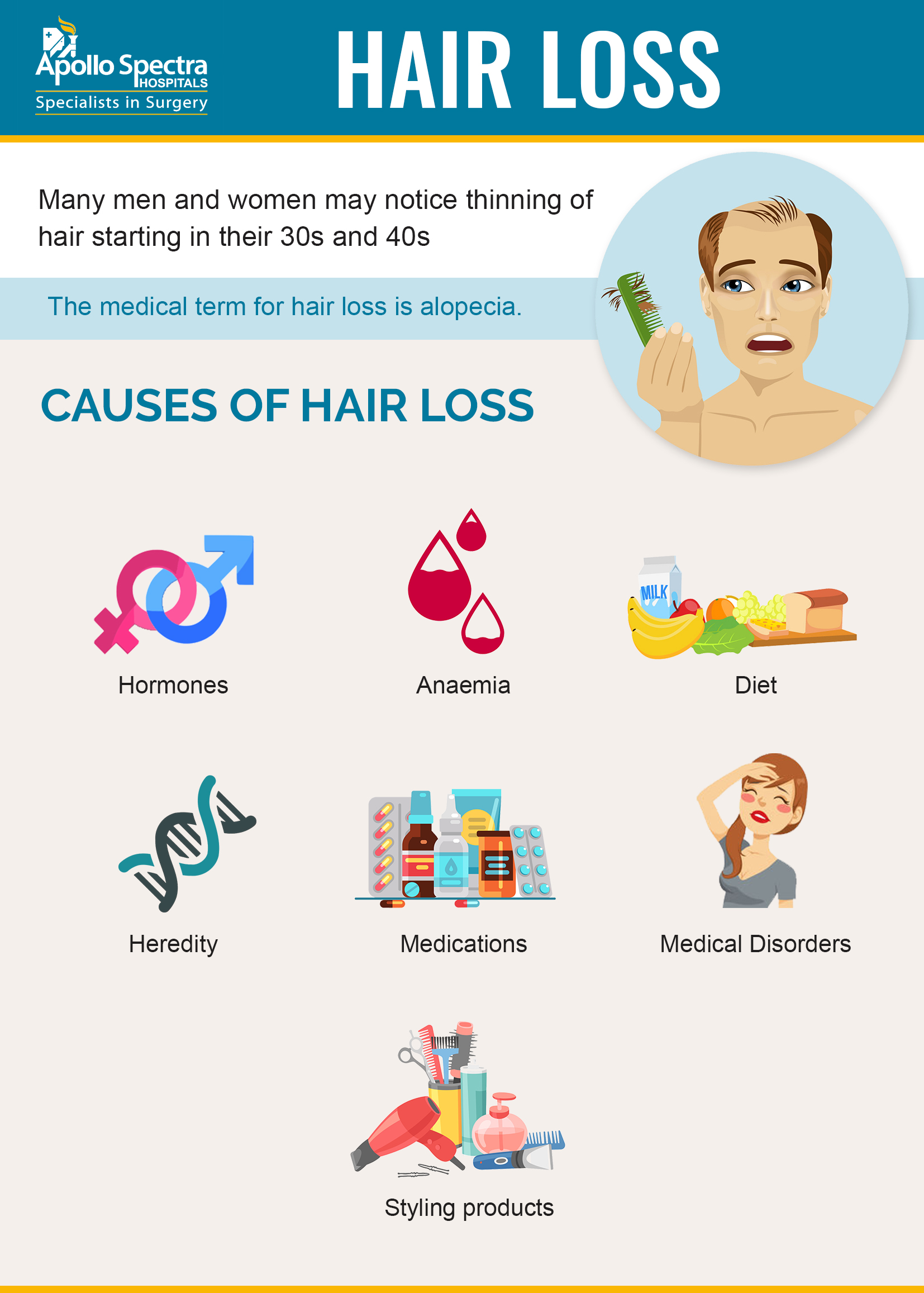
Your clinician might prescribe anti-inflammatory medications, like corticosteroids, if hair loss seems related to an autoimmune condition. Over-the-counter (OTC) medications generally consist of topical creams, gels, solutions, or foams that you apply directly to the scalp. The most common products contain an ingredient called minoxidil. There are several types of hair loss, some are common and some are rarer, and each with different underlying causes. It’s typical to lose between 50 and 100 hairs a day, according to the American Academy of Dermatology (AAD). With about 100,000 hairs on your head, that small loss isn’t noticeable.
Others may cover it up with hairstyles, makeup, hats or scarves. And still others choose one of the treatments available to prevent further hair loss or restore growth. To prevent hair loss, consume a balanced diet that contains vitamins and minerals.

With endless choices, it can be helpful to have a dermatologist guide you in selecting one. While at-home treatments offer convenience, a procedure performed by a board-certified dermatologist tends to be more effective. For this reason, your dermatologist may include one of the following in your treatment plan. At-home treatments offer convenience, and you can buy many of them without a prescription. Because studies show that the following can help, your dermatologist may include one (or more) in your at-home treatment plan. A treatment plan for hair loss may include one or more of the following.
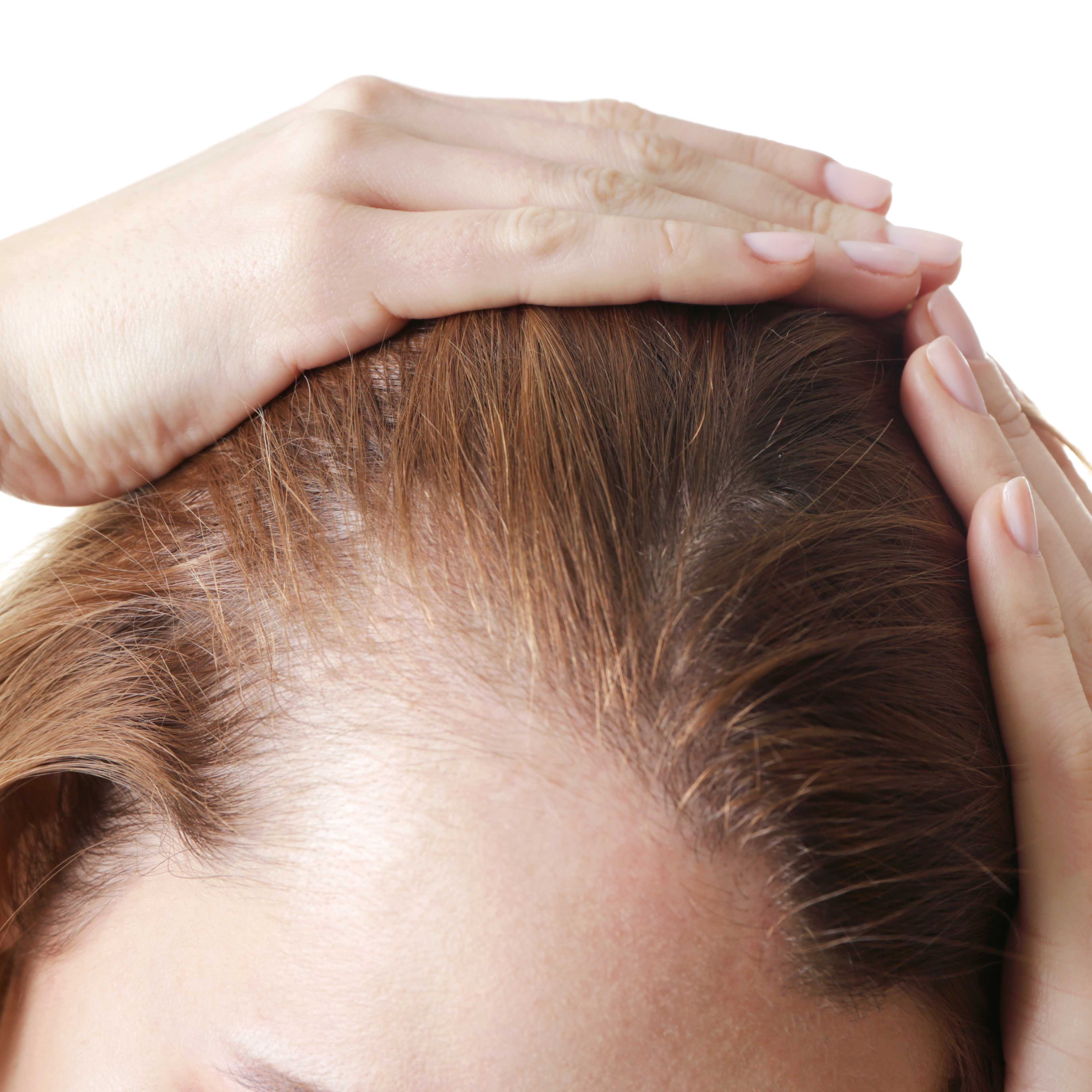
The most significant cause of hair loss in women is female-pattern hair loss (FPHL). Another cause of hair loss is called telogen effluvium (TE), which is typically temporary. According to the American Academy of Dermatology (AAD), TE isn’t actually defined as “hair loss,” but rather as excessive hair shedding. With age, most people notice some hair loss because hair growth slows. At some point, hair follicles stop growing hair, which causes the hair on our scalp to thin.
According to the American Academy of Dermatology, it’s completely normal to shed anywhere between 50 to 100 strands of hair per day. However, if you’ve noticed more strands falling out of your head than normal, you may be experiencing alopecia, the medical term for hair loss. Common diagnoses include androgenetic alopecia, alopecia areata, telogen effluvium, and lymphocytic scarring alopecia, Agbai tells USA TODAY. Male and female pattern baldness are the primary causes of hair loss, but it may also be due to other conditions or lifestyle factors.
It is worth noting that this method is unlikely to benefit or help people with scarring alopecias. Traction alopecia results from too much pressure and tension on the hair, often from wearing it in tight styles, like braids, ponytails, or buns. Get instant access to members-only products and hundreds of discounts, a free second membership, and a subscription to AARP the Magazine.




No comments:
Post a Comment